
Guides
Portland Moss and Damp-Season Cleaning for Residential Maid Teams
Portland's wet season grows moss on siding, decks and entryways. A wet-weather walkthrough for maid teams, plus tools, safety and paperwork to settle first.
What to take away
- Portland's wet season runs from roughly October through May, and shaded siding, deck boards and entryways stay damp long enough for moss, algae and lichen to take hold.
- Moss work has three partsstrip the growth, clean the surface without soaking it further, and change the shade, drainage or traffic that invited it.
- Interior cleaning belongs on the same visit, because wet boots, wet mats and damp air carry the problem inside.
- Crews need fall protection, clear worker classification and insurance settled before anyone works a wet roof or a mossy deck rail.
- For the indoor half of this climate, the Seattle rainy-season cleaning routines cover drying and dehumidifier schedules.
Why Portland moss grows faster than most crews expect
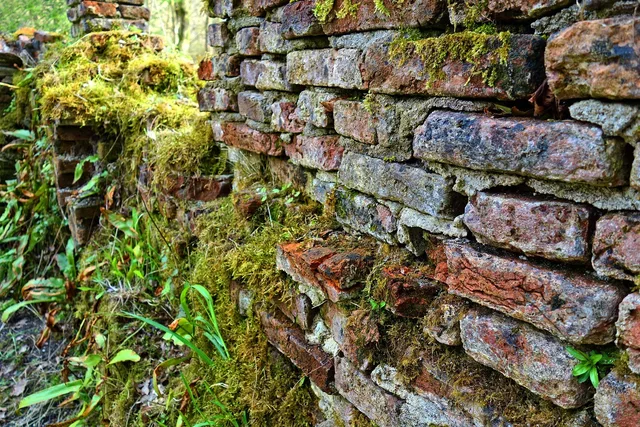
Portland receives most of its rain between October and May, and much of it arrives as drizzle. A damp day does not dry a north-facing wall. Deck boards, fence rails and concrete steps hold water in joints and grain.
Those surfaces can stay wet for weeks. Dust, pollen and roof grit settle into the moisture and become food. Moss follows, and then algae and lichen.
Silver moss (Bryum argenteum) and haircap moss (Polytrichum) are common in Portland yards. Gloeocapsa magma, a cyanobacteria, leaves dark streaking that many homeowners read as ordinary dirt.
Where growth starts on siding, decks and entryways
Where growth starts
- Sidingnorth and east walls, lower courses in shade, and the band under eaves where splash-back keeps the surface wet.
- Decksboard gaps, stair treads, rail caps and the shaded side of a fence.
- Entrywaysconcrete porches, thresholds, mat wells and the first two feet inside the door.
- Roof edgesvalleys, north slopes and any section under tree cover.
Any Portland residential cleaning guide that skips these zones sends crews back to the same house within a month. The practical detail is set out in Miami humidity and hurricane season cleaning.
Tools and products that suit wet surfaces
Tools and products
Common approach
- Wood deck
- Oxygen bleach (sodium percarbonate), soft brush, borate treatment after drying
- Vinyl or fiber cement siding
- Low-pressure soft wash with a diluted sodium hypochlorite mix
- Asphalt shingles
- Zinc sulfate granules applied from the ground, or a licensed roofer for the roof itself
- Concrete entryway
- Stiff brush, oxygen bleach, squeegee, pH-neutral rinse
Watch for
- Wood deck
- Pressure washing that raises the grain
- Vinyl or fiber cement siding
- Runoff reaching beds, pets and storm drains
- Asphalt shingles
- Walking a wet roof without fall protection
- Concrete entryway
- Water left standing in control joints
A handheld moisture meter tells a crew whether a deck is dry enough to treat or seal. A hygrometer does the same job indoors.
A wet-weather walkthrough for a first visit
A wet-weather walkthrough
- Walk the property in rain gear and note moss, algae, lichen and shade on each elevation.
- Photograph the problem areas so the client sees the starting condition.
- Lift loose growth with a soft brush or broom, working from the top down.
- Apply only what the product label allows, and keep rinse water out of garden beds.
- Remove standing water with a squeegee or blower instead of adding more water.
- Book the next wet-season check before leaving the driveway.
Inside the house during the damp months
Entry mats, boot trays and microfiber mops do more for damp control than any spray bottle. Wipe window sills, bath edges and the base of exterior doors where condensation collects. Run a dehumidifier in basements, and track indoor humidity with a cheap hygrometer.
The EPA's mold guidance suggests keeping indoor humidity between 30 and 50 percent. Moisture work in a cool, wet climate looks nothing like hot, humid markets, which is why the Seattle nine-month damp season routine is the next page to read.
Scheduling, crew safety and worker paperwork
Portland's cleaning calendar fills in spring, when homeowners finally see green on siding, and again in fall before the rain returns. Quotes that ignore the second visit for heavy growth turn into callbacks. The operations side, from route density to labor hours per visit, sits at Residential Maid Teams.
Wet ladders, mossy deck boards and sloped roofs are a known injury pattern. Federal workers' compensation information through the workers' compensation coverage explains how state programs fit together for employers.
Regular maid teams paid hourly are generally employees. The FLSA economic realities test decides that question, not a label on a schedule.
A specialist hired for one roof treatment is usually a contractor. When a team pays that person $600 or more in a year, the 1099-NEC filing rules apply.
Nothing in a Portland wet-season quote matters more than drying time. Add an hour for squeegees, blowers and mat changes, and the visit is less likely to end in a complaint.